
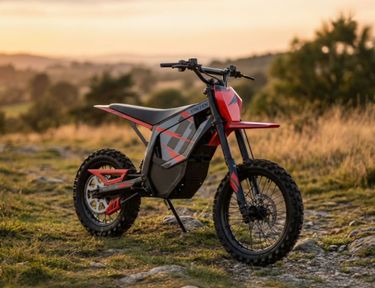
Keep Your Kids Safe and Happy on an Electric Mini Bike
Electric mini bikes have moved from novelty items to serious recreational tools for children. When selected and used correctly, they offer a controlled way to introduce kids to riding skills, balance, and mechanical awareness. The key lies in treating an electric mini bike as real equipment rather than a toy. Safety and enjoyment are not opposing goals here; they reinforce each other.
Fun Meets Safety: Why Electric Mini Bikes Work for Kids
An electric mini bike delivers power in a predictable, linear way. Unlike gas-powered alternatives, there is no sudden throttle surge, no hot exhaust, and no fuel handling. This predictability allows children to focus on steering, balance, and braking rather than reacting to mechanical surprises.
For parents browsing minibikes for sale, electric models often stand out because they reduce noise and maintenance while increasing supervision options. Lower noise means riding can take place in more environments without disruption. Simple drivetrains also mean fewer failure points, which directly supports safety.
From a value perspective, mini bike price should be evaluated against control features and build quality, not just speed. A well-designed electric mini bike supports gradual skill development, which keeps kids engaged longer and reduces accident risk.
Setting Up a Safe Riding Environment
The riding environment matters as much as the bike itself. Early riding sessions should take place on flat, open ground with good visibility. Avoid loose gravel, steep slopes, or crowded spaces until the child demonstrates consistent control.
Protective gear is non-negotiable. A properly fitted helmet, gloves, and closed-toe footwear establish good habits early. Parents who treat safety gear as standard equipment, rather than optional extras from a mini bike shop, tend to see better long-term riding behavior.
Clear boundaries also matter. Define where riding is allowed and where it is not. Consistency reduces confusion and prevents risky improvisation.
Teaching Kids to Ride
Teaching riding skills works best in stages. Begin with basic controls: throttle response, braking distance, and balance at low speed. Children adapt quickly when instruction is calm and structured.
Short sessions are more effective than long ones. Fatigue increases mistakes, and early positive experiences build confidence. Encourage controlled starts and stops before allowing continuous riding.
Supervision should be active, not distant. Standing within visual and verbal range allows immediate correction and reinforces good habits. Over time, this approach produces riders who understand limits rather than testing them blindly.
Maintenance Tips for Longevity
Maintenance is often overlooked with electric mini bikes, yet it directly affects safety and lifespan. Regularly check brakes, tires, and fasteners. Electric systems reduce complexity, but they still rely on secure connections and proper alignment.
Battery care is critical. Charge after use and avoid long-term storage at zero charge. This maintains performance consistency and extends battery life, keeping ownership costs predictable.
Cleaning the bike after outdoor use prevents dirt buildup around moving parts. Simple routines like these protect the investment and ensure the bike performs as expected every time.
A Practical Choice for Families
When chosen thoughtfully, an electric mini bike supports both safety and enjoyment. The Kids Electric Mini Bike ADV 250 Pro fits this balance well. It combines controlled electric performance, child-appropriate proportions, and durable construction suited for repeated use.
For families evaluating mini bikes for sale with a focus on long-term value rather than short-term excitement, the ADV 250 Pro represents a practical option. It aligns realistic mini bike price expectations with safety-oriented design, making it a sensible addition for parents seeking dependable riding experiences for their children.

©2025 shopastro All Rights Reserved.